ESG report Governance
Promoting a Healthy Corporate Management
Our company has established a Fundamental Philosophy, Management Philosophy, and Purpose as the foundational concepts for our business activities, and a set of shared values and a code of conduct for our individual officers and employees. We are committed to achieving sustainable growth and enhancing corporate value through its business activities and code of conduct. To earn the confidence of our stakeholders, we strive to improve corporate value by ensuring management transparency, strengthening oversight, and making timely decisions.

Corporate Governance Structure
As a legal entity, our company has a Board of Directors and a Board of Corporate Auditors, which are composed of directors and corporate auditors elected at the General Meeting of Shareholders. In addition to these statutory bodies, we have established a Risk and Compliance Committee, an Anti-Harassment Committee, and an Internal Audit Office to strengthen our corporate governance. We have also introduced an executive officer system, where executive officers are responsible for specific areas of business execution.
Governance Structure

- Operating Officers’ Committee
Members: Operating Officers, including Full-Time Directors, and Full-Time Outside Audit & Supervisory Board Members
Overview: To strengthen the functions of the Board of Directors and ensure that decision-making is conducted efficiently and appropriately, this body holds discussions and provides reports on key matters related to business execution.
- Business Management Meeting
Members: Operating Officers, including Full-Time Directors, and Business Officers of each division and subsidiary
Overview: Reviews reports on the progress of business plans and shares strategies, engaging in discussions on the business strategies of the Company and its group companies.
- Investment Management Meeting
Members: Operating Officers, including Full-Time Directors, Prospective Business Heads of investment projects, and Full-Time Outside Audit & Supervisory Board Members
Overview: Shares due diligence and valuation results related to M&A and other investment projects, and makes decisions regarding investment matters.
- Nomination and Compensation Committee
Members: Outside Directors and the Representative Director
Overview: Prior to resolutions by the Board of Directors, this committee deliberates on matters related to the appointment and dismissal of Directors, as well as on Director compensation, and provides recommendations to the Board as necessary. The committee was established in June 2024 as a voluntary advisory body.
- Audit and Supervisory Board
Members: One Full-Time Outside Audit & Supervisory Board Member and Two Part-Time Outside Audit & Supervisory Board Members
Overview: As part of the Company’s management oversight function, an Audit and Supervisory Board has been established. Audit and supervisory Board Members attend important meetings such as those of the Board of Directors and conduct audits on the legality and appropriateness of directors’ duties.
- Internal audit office
Members: Dedicated personnel under the direct supervision of the Representative Director
Overview: Internal audits are conducted for the Company and its consolidated subsidiaries to audit the execution of operations from the perspectives of legality and appropriateness. Through a “three-party audit” system in cooperation with the Audit & Supervisory Board Members and the Accounting Auditor, the Internal Audit Office verifies the legality and appropriateness of operations, reports the results to the Board of Directors and other relevant bodies, and, when improvements are necessary, provides recommendations and follows up with the audited divisions.
- Risk and Compliance Committee and Harassment Prevention Committee
Members: Representative Director, Operating Officer, and CEO, two Executive Directors, one Operating Officer, Head of the Legal Department, and Observers (personnel from the Internal Audit Office and two Audit & Supervisory Board Members)
Overview: This committee promotes initiatives and information sharing related to risk assessment, compliance, and the prevention of harassment. Its objectives are to raise employees’ awareness of compliance, monitor violations of laws and regulations, verify risk-related matters, and prevent harassment within the organization.
The Board of Directors
The Board of Directors consists of five directors, including two outside directors. In accordance with the Board of Directors Regulations, we hold regular board meetings once a month and convene extraordinary board meetings as needed to perform our duties, while also supervising the execution of duties among directors. Additionally, three auditors (all of whom are outside auditors) attend the board meetings and provide their opinions as necessary.
Our policy and process for selecting directors ensure a balanced composition of knowledge, experience, and abilities while considering diversity and appropriate scale. The Board of Directors selects candidates who can fully demonstrate their capabilities in contributing to the sustainable enhancement of the corporate value of the group, regardless of gender or age. This selection is made with consideration of the candidates’ character and insights.
Furthermore, with regard to outside directors, we believe that their ability to provide opinions from an objective and neutral standpoint, based on diverse backgrounds and areas of expertise, contributes to appropriate decision-making by the Board of Directors and strengthens corporate governance. Outside directors are selected based on their high insights and extensive experience, in consideration of our “Independence Standards for Outside Directors” outlined below.
・A Business Management Meeting is held once every two weeks. Our representative director, business management, the representative directors of each subsidiary, and other individuals designated by our representative director attend the meeting to make sure our subsidiaries provide regular reports on their sales performance, financial status, and other key information to the company.
・The Board of Directors holds a meeting once a month. Based on relevant laws, the principles of business judgment, and the duty of care of a good manager, the board makes swift and appropriate decisions on important management matters. Directors also report on the status of their work execution.
・To strengthen the functions of the Board of Directors, we hold an Executive Officer Meeting every week. By deliberating and reporting on key business operations, we ensure that decision-making is conducted efficiently and appropriately.
Commitment and Targets for Ensuring Diversity Among Board Members
We established a voluntary Nomination and Compensation Committee in June 2024. This committee will discuss enhancing the independence, objectivity, and accountability of the Board of Directors, including increasing the diversity of the board members, which includes auditors. If necessary, we will also consider setting specific targets, such as the ratio of female members on the Board of Directors.。
Data on The Board of Directors
| Governance Indicators | FY3/2022 | FY3/2023 | FY3/2024 | FY3/2025 | |
|---|---|---|---|---|---|
| Directors | Number of Directors (Total) | 5 | 5 | 5 | 5 |
| Number of female Directors (Total) | 1 | 1 | 1 | 1 | |
| Number of Outside Directors (Total) | 2 | 2 | 2 | 2 | |
| Number of Independent Directors (Total) | 2 | 2 | 2 | 2 | |
| Auditors | Number of Auditors (Total) | 3 | 3 | 3 | 3 |
| Number of Outside Auditors (Total) | 3 | 3 | 3 | 3 | |
| Number of Independent Auditors (Total) | 2 | 2 | 2 | 2 | |
| Attendance Rate of Board of Directors | Total | 100% | 100% | 99.22% | 100% |
| Directors | 100% | 100% | 100% | 100% | |
| Auditors | 100% | 100% | 97.87% | 100% | |
Skills Matrix of Board Members
Regarding the skills of the board members, decisions are made through discussions at the Board of Directors to achieve the company’s mid to long-term management strategy. The skills matrix of our board members is as follows.
| Title/Name | Independence | Gender | Age | Corporate Management / Corporate Strategy | Marketing / Technology | Organization / HR and Labor | Accounting / Finance | M&A/PMI | Risk Management | ESG/SDGs |
|---|---|---|---|---|---|---|---|---|---|---|
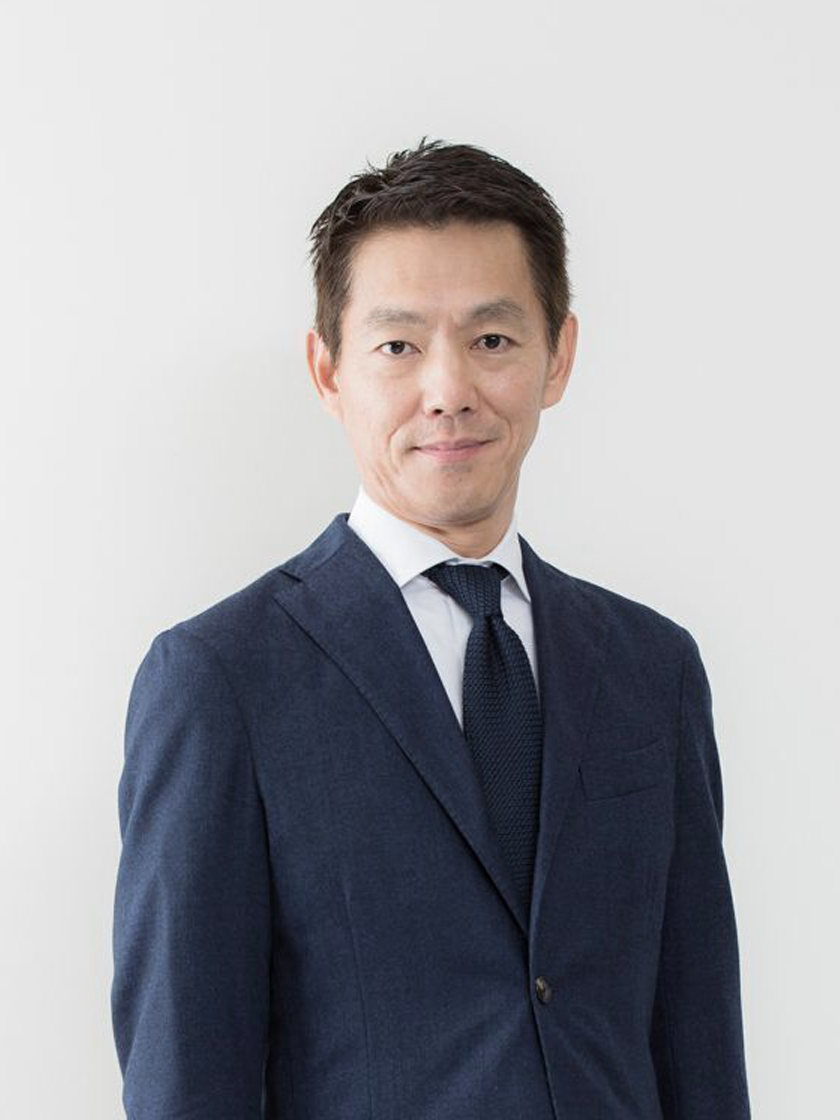
| Representative Director Jo Hirao | Male | 42 | 〇 | 〇 | 〇 | 〇 | 〇 | |||
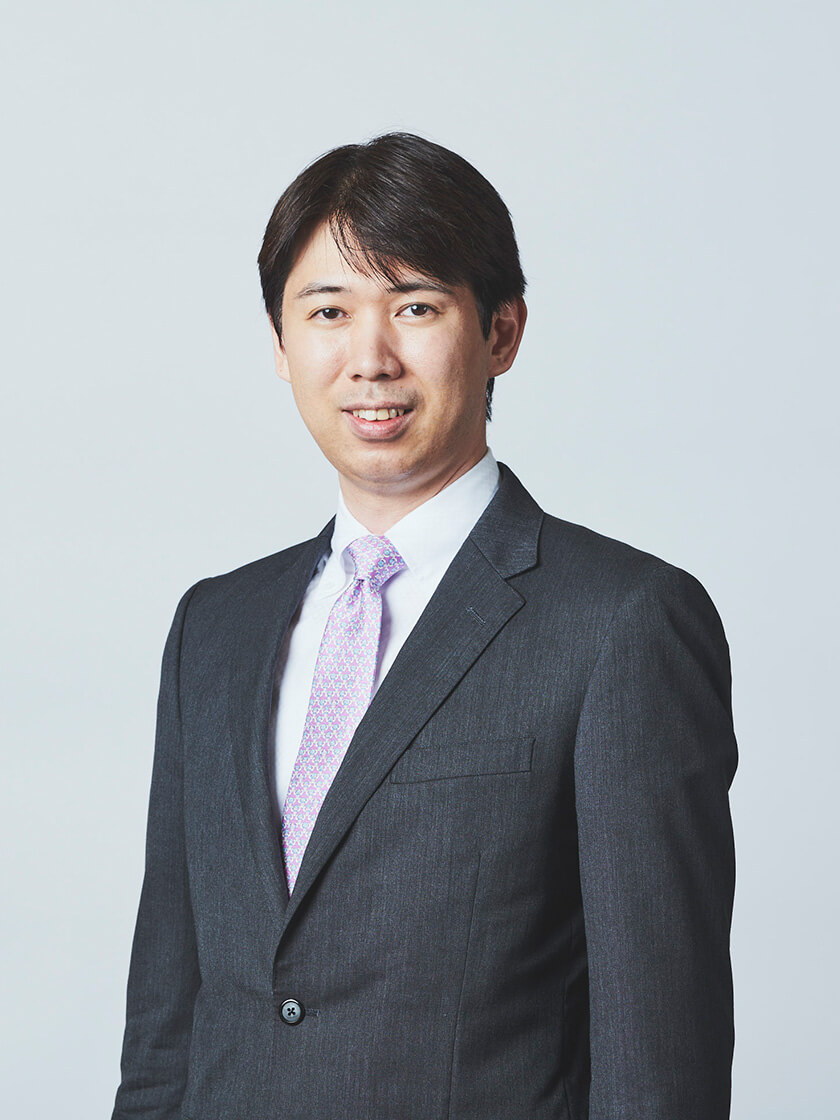
| Director Ryosuke Imai | Male | 36 | 〇 | 〇 | ||||||
| Director Sachiko Hatano | Female | 42 | 〇 | 〇 | 〇 | 〇 | 〇 | |||
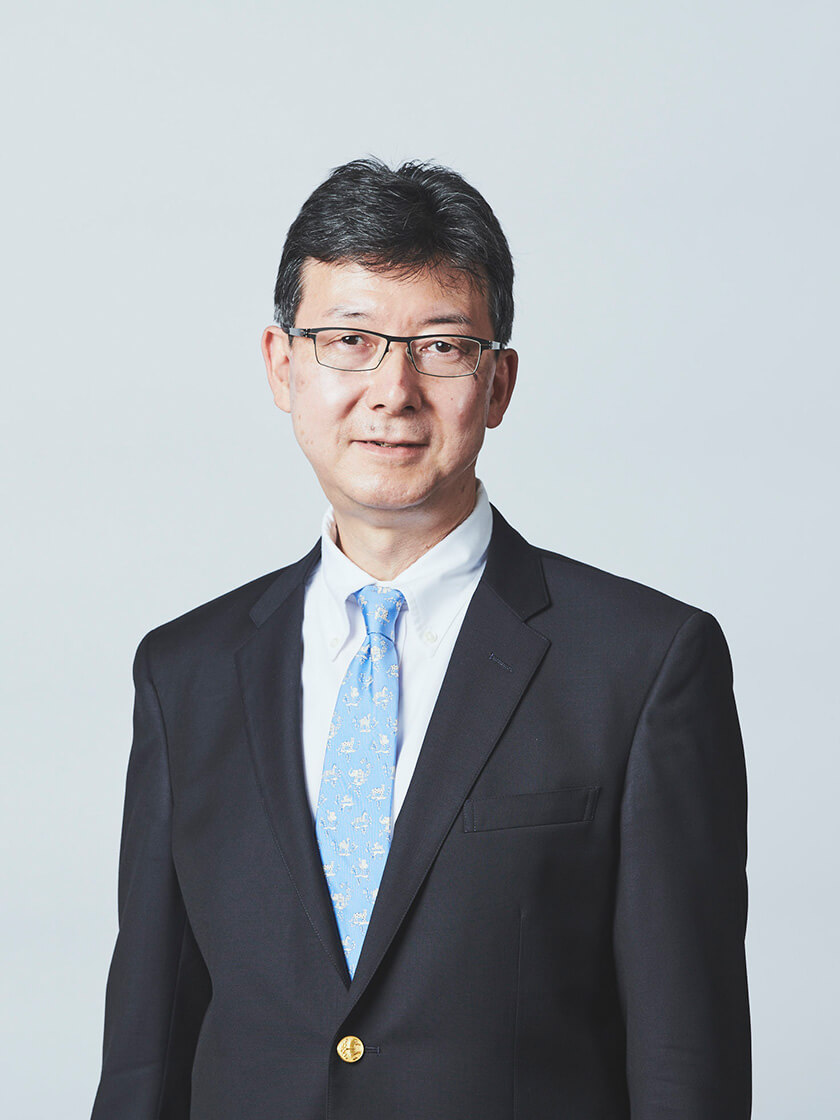
| Outside Director Yasuo Usuba | 〇 | Male | 62 | 〇 | 〇 | 〇 | 〇 | |||
| Outside Director Jun Sakai | 〇 | Male | 52 | 〇 | 〇 | 〇 | 〇 |
※Age is as of March 31, 2025
※〇 for Independence refers to those who meet the “Criteria for Independence of Outside Directors
Evaluation of the Effectiveness of the Board of Directors
To confirm the effectiveness of the Board of Directors and align on future directions for improvement, we conduct an effectiveness evaluation of the directors annually. In May 2024, a questionnaire with 21 questions, each rated on a scale of 1 to 5, was distributed to all eight directors and auditors. The average score for this evaluation was 4.23, exceeding last year’s score of 4.09. The results and details are reported to the board of directors, and we are discussing challenges and improvement measures, particularly for items with lower scores.
Corporate Ethics and Compliance Policy
The company, by resolution of the board of directors, has established a “Basic Policy for the Construction of Internal Control Systems” as a guideline to ensure that the execution of duties by directors and employees of the company and its subsidiaries complies with laws and regulations, the Articles of Incorporation, and internal rules. In accordance with our “Compliance Regulations,” we have set forth obligations to comply with laws, regulations, internal rules, public order, morality, and ethical standards (hereinafter referred to as “Legal and Ethical Compliance”), and the obligation of compliance (hereinafter referred to as “Compliance”). We have also established the operation of the Risk and Compliance Committee.
In addition, the company and its subsidiaries plan and implement the necessary training for employees (including contract employees) and temporary staff to ensure compliance. Furthermore, the company has established the following regulations.
- Internal Reporting Regulations (Regulations concerning the internal reporting system for all employees of the group)
- Harassment Prevention Regulations (Regulations on the prohibition of harassment and the Harassment Prevention Committee)
- Insider Trading Management Regulations (Regulations for the prevention of insider trading and procedures related to the trading of company shares)
- Regulations for the Elimination of Anti-Social Forces and Basic Policy on Dealing with Anti-Social Forces
The reliability of financial information is also established under our “Basic Policy for the Construction of Internal Control Systems.” We implement an internal control system related to financial reporting in compliance with the internal control reporting system as stipulated by the Financial Instruments and Exchange Act.
Information Security Measures and Incident Management
We have established a personal information management system by acquiring PrivacyMark certification. In addition, we implemented company-wide information security measures through a dedicated project, including system security and vulnerability assessments to enhance our cybersecurity.
Beyond security, we have also set up guidelines to appropriately handle various incidents that may occur during our group’s business activities. Led by the legal department, the Incident Management Office works to minimize the impact of incidents and prevent their recurrence
Corporate Ethics and Compliance Audit
At our company, internal audits are conducted annually to ensure the effectiveness of our compliance. These audits check that the business operations of our officers, employees, and those of our subsidiaries are not in violation of laws and ethics.
Based on our annual audit plan, the Internal Audit Office, which reports directly to the CEO, selects key compliance themes for the group and carries out internal audits. As of July 1, 2025, the Internal Audit Office consists of one employee.
If a deficiency is detected, it notifies the department being audited, encouraging them to make improvements and follows up to ensure the improvements have been made.
Initiatives towards Improving Corporate Ethics and Compliance
Employee Training on Corporate Ethics Standards
We conduct training sessions on topics such as “Duties and Responsibilities of Directors,” primarily targeting the directors of the company and group companies. Additionally, the company and group companies implement compliance training for employees once a year, striving to foster a strong compliance awareness. Furthermore, if an employee violates the “ZIGExN Compliance Regulations,” it is stipulated in the compliance regulations that this may result in reflection in employee evaluations and could lead to disciplinary action (such as warnings, salary reductions, or dismissal). Through this, we educate employees on necessary mindsets and social and internal rules regarding topics such as preventing insider trading, harassment, incident management, and internal reporting, as well as other situations they may encounter.
We secured 100% completion rate for our 2025 “Compliance Training” from all employees(including contract employees, temporary staff, and part-time workers). Through the training, employees were required to pass a test aimed to grasp their level of understanding. Furthermore, we conduct a personal information protection training once a year, under the same completion requirements, to maintain and improve their knowledge of handling personal data.
Establishment of Reporting Channels and Protection of Whistleblowers
The company and its subsidiaries have established an “Internal Whistleblower Regulations” based on the Whistleblower Protection Act concerning internal reporting channels. This framework allows all employees of the group (including contract employees) and temporary staff to quickly communicate any compliance-related issues to the company. We provide two types of reporting channels: one managed by an auditor (the auditor’s reporting channel) and another managed by an external law firm (the external reporting channel), allowing whistleblowers to choose either option voluntarily. The internal department responsible for handling reports received from the designated auditor or the external reporting channel will determine and implement the response methods in consultation with external experts and relevant departments, based on the nature of the report.
In addition to the internal reporting channels, the group has established an HR consultation channel overseen by the internal human resources and management departments. This channel broadly accepts consultations on various issues such as harassment, employment contracts, and performance reviews, creating an environment where employees can easily seek help before problems escalate. The group actively disseminates information regarding the internal reporting channels and the HR consultation channel through various means, including posting on the internal portal site, guidance during onboarding, regular training sessions, and ongoing awareness campaigns.
Policies and Initiatives for Preventing Bribery and Corruption
The group’s internal reporting channels accept reports concerning bribery and corruption, including those from overseas subsidiaries. Currently, due to the scale and nature of the group, we do not have specific regulations or rules regarding the prevention of bribery and corruption. However, considering future business expansion and international operations, we believe it is necessary to develop regulations and rules to prevent such activities and are contemplating their establishment.
Corporate Ethics and Risk Management Policy
The group establishes fundamental philosophy, management philosophy, and purpose as core values and behavioral guidelines that each officer and employee should share. We aim to achieve sustainable growth and enhance long-term corporate value. To gain the trust of our stakeholders, including shareholders, we will make appropriate management decisions swiftly and establish a corporate governance system that demonstrates high transparency and effective management oversight.
The company has established a “Crisis Management Regulation” to systematically define the risk management structure for the entire group, as well as “Incident Management Guidelines” aimed at the prompt reporting and information sharing of significant matters. We actively engage in risk management across the group, recognizing it as essential for ensuring the continuity and stable development of the group’s business.
Visualizing high-priority risks with a heat map

Regarding risks related to the macro environment, there are concerns about the impact on the economy due to changes in monetary policy by central banks in various countries. Such uncertainties may affect client demands for talent recruitment and system investments. On the other hand, there are also positive macroeconomic changes, such as the recovery of demand for overseas travel in the post-COVID era. We will strive to minimize risks and maximize opportunities while appropriately assessing these macro conditions.
Regarding system-related risks, we recognize that the number of cyberattack incidents is on the rise, driven by the increasing momentum of DX and the broader use of ICT. The company is implementing countermeasures led by the Security Management Unit, which includes the development of guidelines and raising awareness among employees.
As for human resource-related risks, the increasing recruitment capabilities of emerging companies may impact recruitment difficulty and turnover rates. In response, we are implementing measures such as enhancing employee benefits, raising compensation tables, and ensuring job satisfaction. Additionally, there is a dependency risk on our Representative Director, Operating Officer, and CEO, Joe Hirao, who has been leading our management since our founding. To address this, we are working on appropriate delegation of authority and sharing management know-how and thought processes for employee development. Moving forward, we will also consider developing a more concrete succession plan.
Regarding technological innovation, there is a growing presence of AI services such as ChatGPT provided by OpenAI, among other research and development companies. It is essential to monitor the impact these new technologies and services may have on existing business models and user behaviors. The company believes that, in addition to the potential negative impacts on existing services, there is also a possibility of enhancing added value through their appropriate utilization.
Additionally, the increase in the number of group companies due to proactive M&A activities has led to complexities in management, as well as intensified competition in certain areas, which are considered high-priority risks. In response to these risks, management and relevant departments will collaborate appropriately and conduct regular risk analyses to understand and prevent the manifestation of risks across the group. In the event that such risks do materialize, we will ensure that swift and appropriate judgments and countermeasures are taken to facilitate sustainable growth.
Group Risk Assessment and Response
We evaluate the significance of risks on two stances: probability of occurrence and degree of impact. Then, we prioritize measures for the items with the highest significance. By taking into account changes in the external environment, we aim to fully grasp the risks that need to be addressed as a priority. This allows us to effectively utilize our limited management resources, which in turn helps prevent risks from materializing and avoids the erosion of corporate value.